Cross-Cultural Knowledge Networks

OVERVIEW

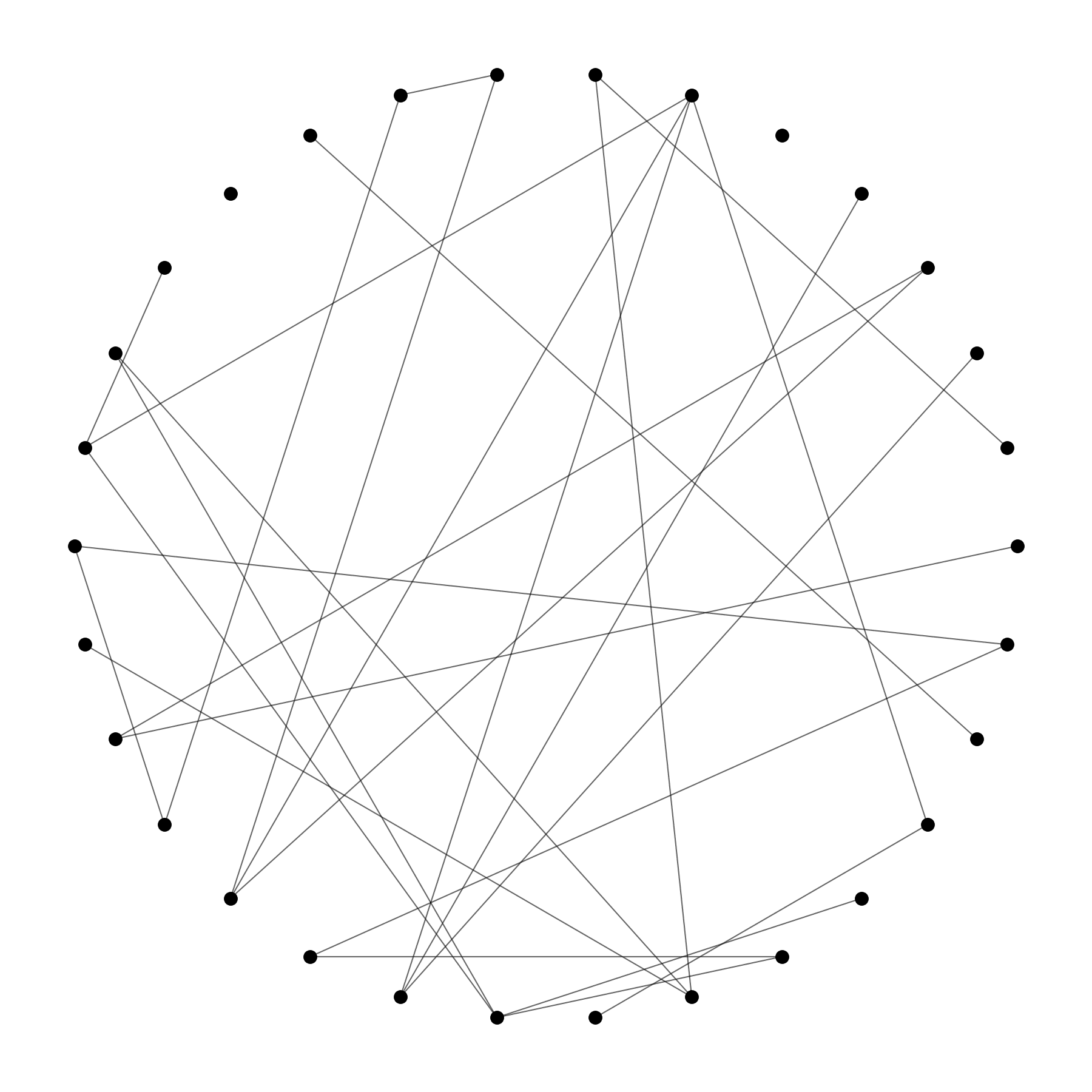
This application focuses on the construction of structured knowledge networks that integrate traditional medical knowledge across cultures, regions, and historical systems. The objective is to transform fragmented, heterogeneous sources, including textual records, practitioner traditions, and historical classifications, into unified, comparable, and queryable representations. The emphasis is on structure, relationships, and system-level coherence rather than individual interventions.
A laptop with a h32 word on it.
Image of 3 pixelated flat icons

YEAR

2025

ROLE

We designed the conceptual and computational framework for representing culturally diverse medical knowledge as interconnected networks. This included defining shared taxonomies, mapping equivalences across traditions, and encoding relationships between substances, uses, preparation contexts, and constraints. The role centred on reconciling incompatible classification systems without collapsing cultural specificity.

SERVICES

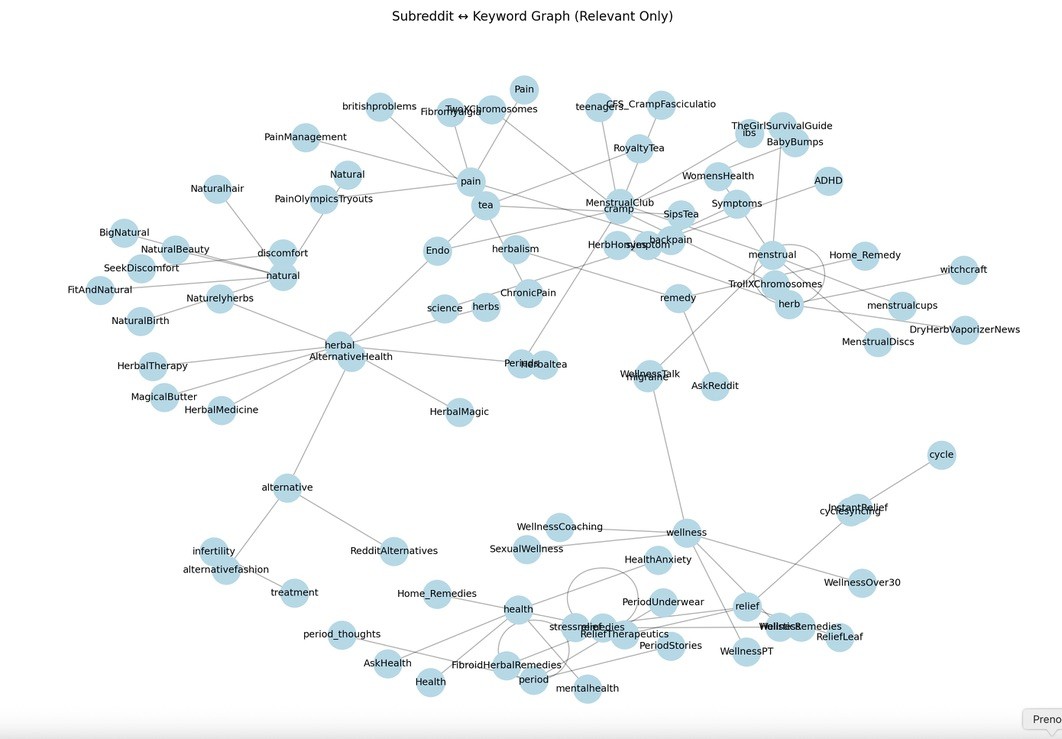
We developed graph-based representations and embedding layers to model relationships between ingredients, symptoms, practices, and contextual factors across medical traditions. The system supports comparative analysis, clustering, similarity search, and structural inspection while maintaining provenance, uncertainty, and cultural attribution at the node and relationship level.

About the project

Traditional medical knowledge is inherently relational, contextual, and non-uniform across cultures. This project demonstrates how such knowledge can be represented as a networked system rather than a collection of isolated facts. By making structure explicit, including overlaps, divergences, and gaps, the framework enables systematic analysis, cross-cultural comparison, and downstream integration into analytical and decision-support systems.

info@soothsips.com

London · United Kingdom

© 2025 SoothSips

Smooth Scroll
This will hide itself!

Cross-Cultural Knowledge Networks

OVERVIEW

This application focuses on the construction of structured knowledge networks that integrate traditional medical knowledge across cultures, regions, and historical systems. The objective is to transform fragmented, heterogeneous sources, including textual records, practitioner traditions, and historical classifications, into unified, comparable, and queryable representations. The emphasis is on structure, relationships, and system-level coherence rather than individual interventions.

A laptop with a h32 word on it.
Image of 3 pixelated flat icons

YEAR

2025

ROLE

We designed the conceptual and computational framework for representing culturally diverse medical knowledge as interconnected networks. This included defining shared taxonomies, mapping equivalences across traditions, and encoding relationships between substances, uses, preparation contexts, and constraints. The role centred on reconciling incompatible classification systems without collapsing cultural specificity.

SERVICES

We developed graph-based representations and embedding layers to model relationships between ingredients, symptoms, practices, and contextual factors across medical traditions. The system supports comparative analysis, clustering, similarity search, and structural inspection while maintaining provenance, uncertainty, and cultural attribution at the node and relationship level.

About the project

Traditional medical knowledge is inherently relational, contextual, and non-uniform across cultures. This project demonstrates how such knowledge can be represented as a networked system rather than a collection of isolated facts. By making structure explicit, including overlaps, divergences, and gaps, the framework enables systematic analysis, cross-cultural comparison, and downstream integration into analytical and decision-support systems.

info@soothsips.com

London · United Kingdom

© 2025 SoothSips

Smooth Scroll
This will hide itself!

Cross-Cultural Knowledge Networks

OVERVIEW

This application focuses on the construction of structured knowledge networks that integrate traditional medical knowledge across cultures, regions, and historical systems. The objective is to transform fragmented, heterogeneous sources, including textual records, practitioner traditions, and historical classifications, into unified, comparable, and queryable representations. The emphasis is on structure, relationships, and system-level coherence rather than individual interventions.

A laptop with a h32 word on it.
Image of 3 pixelated flat icons

YEAR

2025

ROLE

We designed the conceptual and computational framework for representing culturally diverse medical knowledge as interconnected networks. This included defining shared taxonomies, mapping equivalences across traditions, and encoding relationships between substances, uses, preparation contexts, and constraints. The role centred on reconciling incompatible classification systems without collapsing cultural specificity.

SERVICES

We developed graph-based representations and embedding layers to model relationships between ingredients, symptoms, practices, and contextual factors across medical traditions. The system supports comparative analysis, clustering, similarity search, and structural inspection while maintaining provenance, uncertainty, and cultural attribution at the node and relationship level.

About the project

Traditional medical knowledge is inherently relational, contextual, and non-uniform across cultures. This project demonstrates how such knowledge can be represented as a networked system rather than a collection of isolated facts. By making structure explicit, including overlaps, divergences, and gaps, the framework enables systematic analysis, cross-cultural comparison, and downstream integration into analytical and decision-support systems.

info@soothsips.com

London · United Kingdom

© 2025 SoothSips

Smooth Scroll
This will hide itself!